



 Back
Back TR
TR
Shot Blasting
Raw cast parts coming from the shakeout line are dispatched to the integrated fettling department to be cleared of molding sand residues, runners, risers, and flashes. The process is carried out in automatic and manual stations according to the geometry of the cast part and the sector in which it will be used.
1. Automatic Monorail Shot Blasting Process
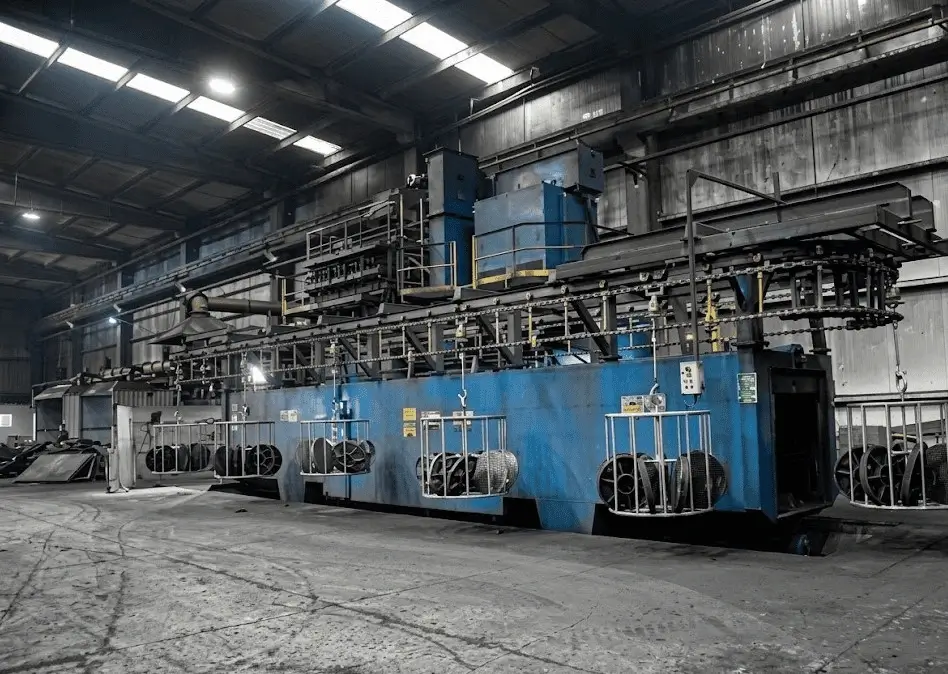
The burnt silica sand and oxide layer on the surface of the parts produced in HWS and RWS automatic horizontal molding lines (with a capacity of 100 molds per hour) are cleaned in hanger-type monorail shot blasting machines.
- Function: Parts placed in continuously rotating hanger baskets are subjected to high-speed steel shot blasting to achieve a smooth surface quality with a metallic luster.
- Standard: The metal surface cleanliness is made compliant with the roughness standards required prior to painting and coating.
2. Robotic and Automatic Grinding Technology
Automotive, tractor, and machinery casting spare parts requiring high dimensional stability in particular (Clutch Cover, Planet Carrier, Suspension Upper/Lower Arms, Differential Case, and ADI Side Plate parts) are processed in high-tech automatic grinding cells.
- Equipment Line: ACD Grup Grinding Master 500 and Grinding Master 800 automatic grinding machines along with multi-axis robotic deburring cells are utilized in the department.
- Advantage: Robotic grinding ensures repeatable precision, which is indispensable for part manufacturing in IATF 16949:2016 standards, and completely eliminates manual errors.
3. Manual Deburring and Infrastructure Products Processing
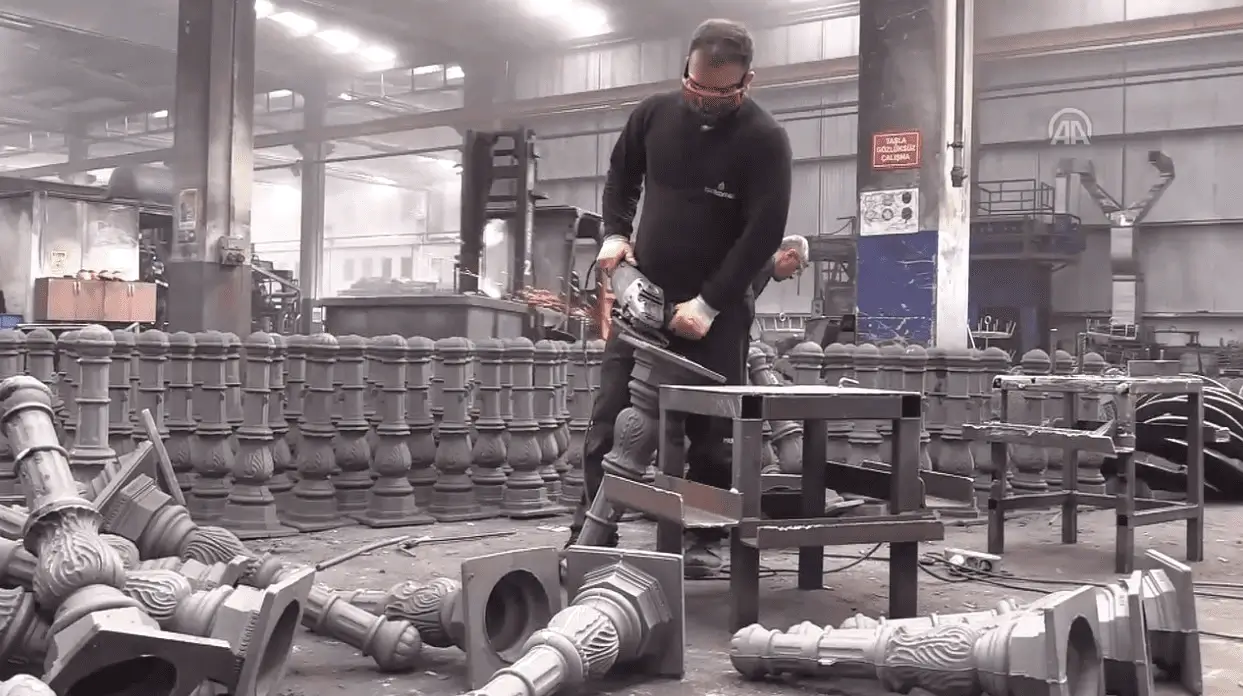
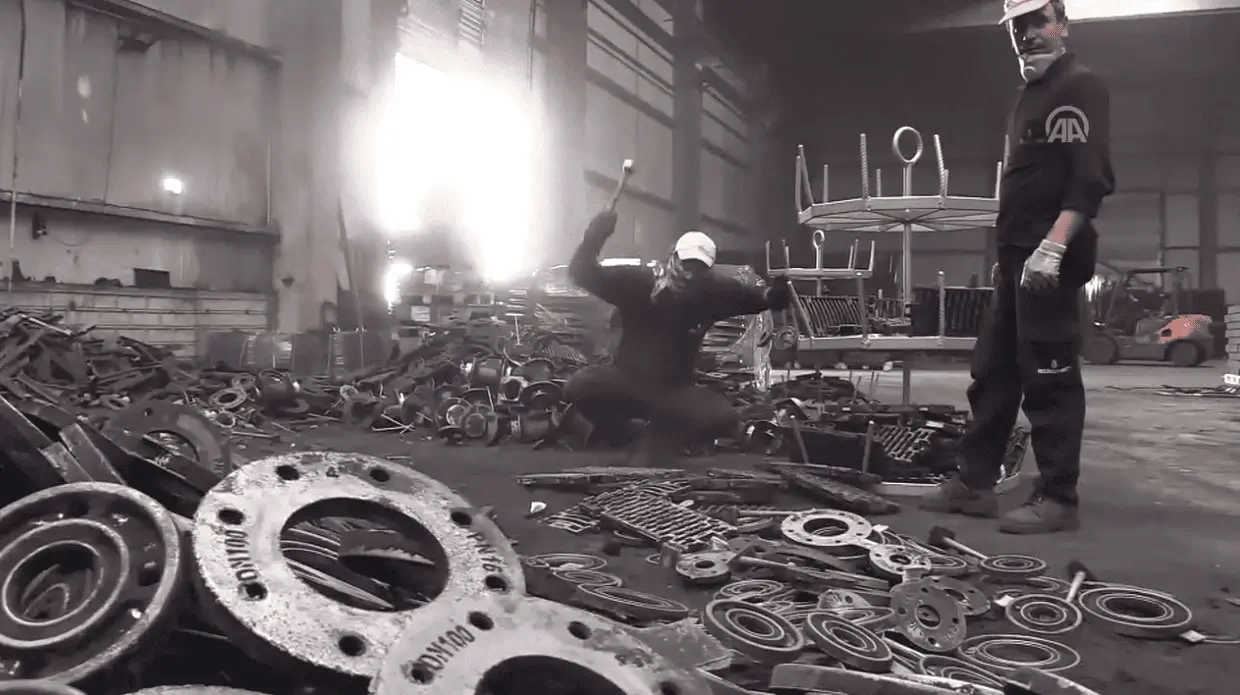
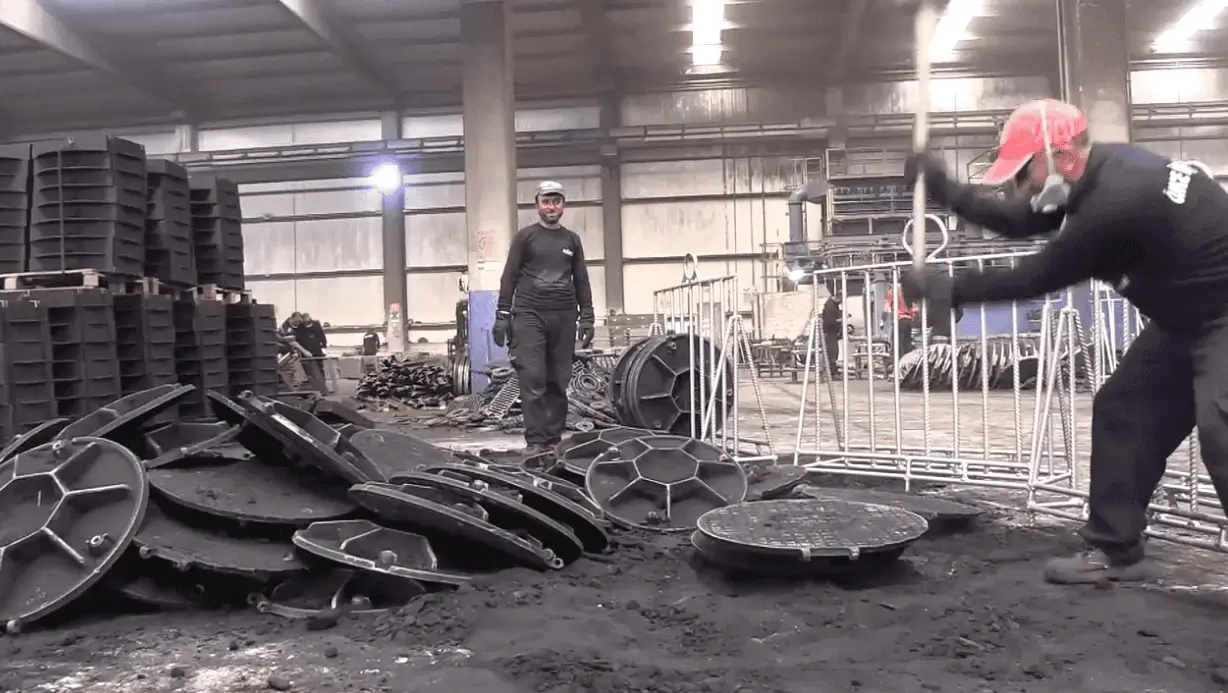
Manual deburring stations are activated for large-geometry infrastructure elements manufactured in accordance with the EN 124-2 standard, such as heavy-duty manhole covers (classes A15 - F900), rainwater grates, casting bollards, and decorative lighting poles.
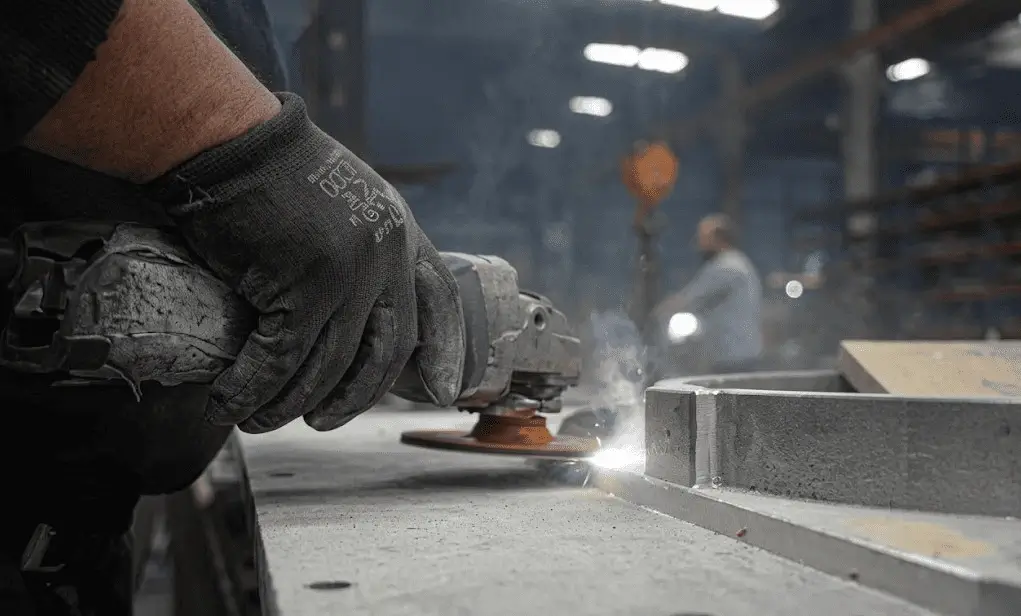
- Method: Runner and riser connection points are cleaned by expert fettling personnel using pneumatic hammers, high-speed hand grinders, and special sledgehammer systems. The assembly surfaces of the parts are precisely ground to ensure a rattle-free fit.
4. Dip Painting (Deep Coating Painting Line) and Corrosion Protection
All infrastructure elements and chassis/machinery parts whose fettling and grinding processes are completed are transferred to the wet dip painting line (Deep Coating) to gain a long service life and high corrosion resistance.
- Process: Parts are transported suspended on a conveyor and dipped into fully automatic dip tanks. Compared to traditional spray painting, this method penetrates even the most complex internal cavities and bolt holes of the part, forming a complete protective film layer.
- Areas of Use: It provides an excellent corrosion barrier, especially for EN 124 casting grates and manhole covers in direct contact with water, and for Submarine Cable Protection Pipe accessories (Viking sleeve clamps, J-tube adapters, etc.) exposed to seawater corrosion.
Request a Catalog
PDPL and Privacy Policy
- Policy on the Processing and Protection of Personal Data
- Customer Information Notice in Accordance with the PDPL Regulations
- Exercise of the Data Subject’s Rights in Accordance with the PDPL Legislation
- Law No. 6698 on the Protection of Personal Data
- Communication Regarding the Procedures and Principles to Be Followed in Fulfilling the Disclosure Obligation
- Communication on the Procedures and Principles for Filing Requests with the Data Controller
- Data Protection Law (KVKK) Data Subject Request Form